Gwalior Fort

Tomars, Mughals, Britishers & Marathas ruled Gwalior until the fort went under Scindias. The fort witnessed several battles from ancient times. Emperor Babur once denoted Gwalior Fort as the pearl amongst fortresses of India. Folklore showcases Saint Gwalipa, the patron saint of Gwalior.
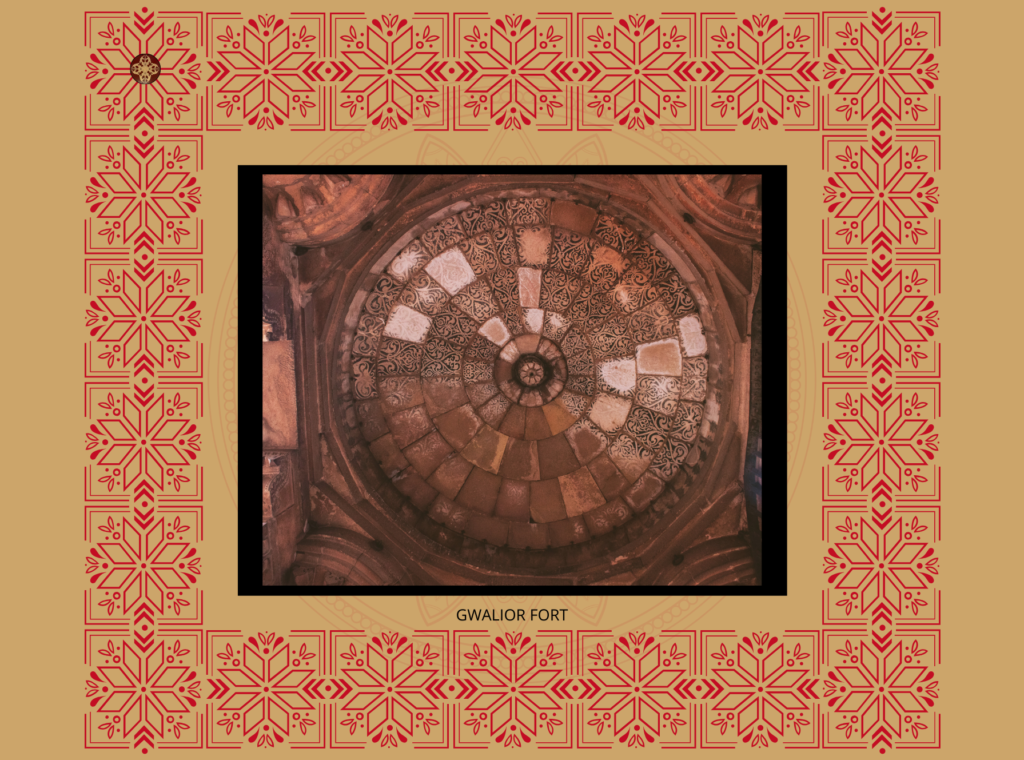
Existence of Gwalior Fort is around 10 CE, here the inscriptions depicts that it existed since 6 CE. Kachchhapaghatas captured Gwalior around this period. From 11 CE., Islamic dynasties attacked in 1196, a Ghurid General took control of the fort. Lastly, in 1232 CE, Gwalior Fort was under Iltutmish. While in AD. 1398, Tomar ruled Gwalior.

Man Singh Tomar (1486-1516 CE) ruled Gwalior. He sanctioned several structures of this fort and impressively faced attacks of Sikander Lodi on 1505 AD. On 1516 AD, Ibrahim Lodi attacked Gwalior, Man Singh Tomar died while his son held on for a year before surrendering. After the Lodis, Gwalior went under Mughal Emperor Babur. On 1558 CE., Emperor Akbar used Gwalior fort as a prison. Even an Afghani, Sher Shah also ruled Gwalior.

Similar Posts

  • Raigad

    A hill fort on Mahad, Raigad district of Maharashtra, was once a capital of Chhatrapati Shivaji Maharaj in 1674, after being coronated as the King of Maratha Empire, “Swarajya” which later developed in an Empire, eventually controlling much of western and central India. Raigad is more than 2,306 ft. in Sahyadri ranges, 1737 steps which…

  • Wonders of Tripura

    A cultural amalgamation among 7 sister states, this destination culminates in itself a hoard of treasures like the historical sites, temples going back hundreds of years, wildlife and a thriving crafts industry. With an extensive spread of diversity in flora and fauna, this makes for one of the most exciting curious destination in eastern India….

  • |

    Rock Cut Cave – Bongaigaon

    Rock cut caves of Jogighopa in Bongaigaon are some of the magnificent wonders belonging to Salathambha period. Remains of five rock – cut caves on the banks of Brahmaputra is a distinct rock carved structures of Assam. The art of caves shows patterns which were chiefly practiced on the western part of Indian Sub-continent. Specifications of Rock Cut CavesThe Archaeological Survey of India…

  • Vitandgad

    Tikona also known as Vitandgad is the hill fort in Maval in Kamshet around 60 km from Pune, behind the Lohgad and Visapur fort. The Borghat caves on Carla, Bedssey, Bhandara and Shelarwadi have forts for the protection of caves in area of Lohgad, Visapur, Tikona and Tung. Many Ghatvata connecting ancient – Bandarana Ghatmatha…

  • Vietnamese Pagoda

    Yen Tu Pagoda Zen atmosphere of Yen Tu is at the Yen Tu mountain peak, overlooking forests of Hanoi and Halong Bay, 110 km of capital. A 280,000 VND ticket is a way for exploring this pagoda. Exploring Yen Tu A best way is Dong Trieu-Cam Pha bus – Uong Bi. To get there, get…