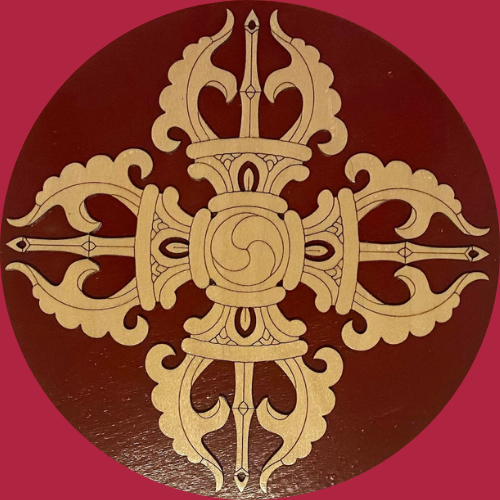
Cultural Bhutan
Bhutan’s Gross National Happiness ethos welcome cultural travellers who wish for expanding horizons through precariously built dzongs (forts) & enclosed monastic courtyards. Spring or autumn season is Tsechu celebration culminating in a kaleidoscope of costumes, masks & celestial dances. Virtues, etiquette in front of monks or deities & awareness will be advised.
Carefully unearth encounters on religion around prayer wheels or charred cooking pots. Preserving heritage is just as important for Bhutan as protecting the environment.
Cultural treasures are everywhere at Paro & Thimphu, offering illumination in the midst of museums/memorials dedicated to folklore heritage, the Dragon King & the teachings of Padmasambhava or Tibetan Buddhism.
Things to do on a Bhutan Cultural Holiday
Family stays
Talks spark in activities like chopping chillies, washing or even taking a wonderful hot stone bath. The stays in Bhutan initiates a memory bank that is full of indelible images to treasure once you leave the kingdom. Outside of Thimphu and Paro you’ll discover a world revolving around farming, agriculture, livestock, singing, dancing, or prayer. Valleys of Punakha, Chokor-Toe and Gangtey provides responsible travellers a real insight on day-to-day activities of highland people living in peace.
Attend a festival
Exploring Bhutan in spring or autumn can invite opportunity for experiencing distinct customs, whirl of colours, spiritual symbolism and customs associated with Tshechu, where Cham dances blesses participants/audiences alike. The Domkhar tshechu in spring or Jambay Lakhang tshechu in autumn can be attended.
Museums & monasteries
Discovering Bhutan consists dzongs, temples and monasteries where burgundy or gold robed monks meditate, pray and do daily chores unimpeded from influences of outside world. hikes to Taktsang Monastery, in Paro, or Tango Monastery, just north of Thimphu, provide a chance to understand the rituals in Bhutanese Buddhism, which is combined well with visits to textile, handicraft and folk heritage museums.
Visiting a monastery, museum or exploring life of monks in Bhutan is appreciated with a local guide who explain cultural etiquette and customs for a greater depth of knowledge in Buddhism along with the history of Bhutan.
History
Ever since Jigme Singye Wangchuck, the third King, implemented a philosophy for his subjects which is referred as “Gross National Happiness”. The stance comprises sustainable values for cultural preservation and conserving the natural environment which still remained a cornerstone within Bhutanese society.
Of course, every person you meet in Bhutan is not beaming from ear to ear but at least the nation is going in right direction with a harmonious outlook than most of the modern countries. Enlightening yourself in cultures practiced throughout the Kingdom is complex for outsiders. Visit national museums, if you want to know details of its past in Paro and if you’re searching for happiness, then explore with a smile and see where it leads you.
Best time to go inside the Kingdom
Spring is the best time for Bhutan with Tshechu in Zhemgang, Punakha, Trashigang, Paro and Gasa, that occurs in March. In April, Thimphu’s festival of flowering rhododendrons is popular, whereas in May, humidity restricts everyone, that provides better prices on your stays. Avoid Jun-Aug, monsoon seasons are real slippery & many cultural events get wiped out, whereas autumn blue skies are perfect for hiking in Paro Taktsang.
From Oct-Nov, Monks prepare themselves for Tshechu. Areas within Gangtey or Thimphu remains vibrant for Tshechu celebrations alongside a historical black neck crane festival of Wangdue Phodrang in November.